
The Anchor-Line Chain
Not Without HopeThis flow follows how a minor equipment problem becomes the decisive mechanical cause of the disaster.
increasing Bearing strength in each event
 decreasing
Bearing strength in each eventdecreasingStubborn Anchor
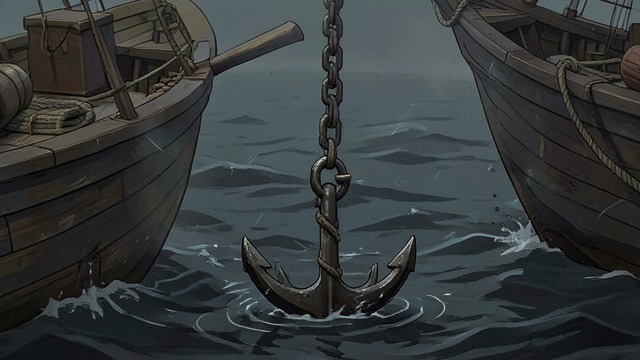
The Anchor Holds
A Familiar Frustration
The anchor has caused trouble before, but the men treat the problem as an inconvenience rather than a danger. Marquis refuses to abandon another expensive anchor.
The decision places the group under pressure as the sea grows rougher and daylight fades.
Escalating Risk
Their confidence in physical strength encourages an improvised solution. The anchor becomes more than fishing gear; it becomes the fixed point that can overpower the boat.
Stern Attachment
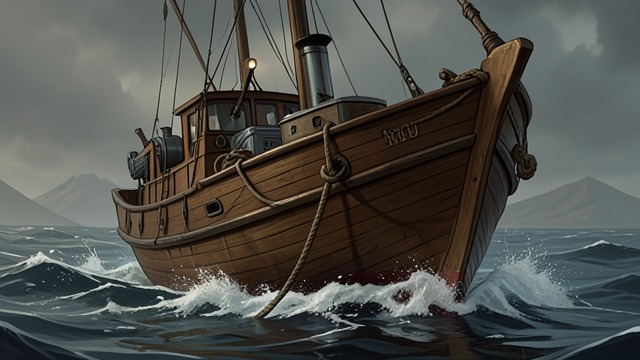
The Dangerous Tie
Improvised Leverage
Will moves the anchor line from the bow to a stern cleat. The plan is intended to use the engine’s force to free the anchor.
No one recognizes that a tight stern line can pull the boat downward. The men act with good intentions, but the arrangement violates the safety principle that later becomes central to the investigation.
The Moment of Failure
When Marquis accelerates, the stern submerges and the bow rises. The accident is produced by a chain of understandable decisions rather than deliberate recklessness.
Official Causation
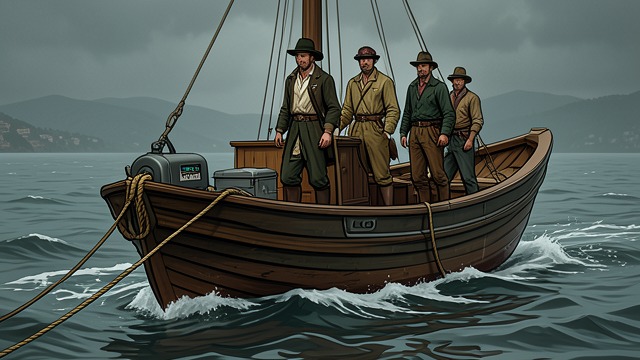
The Investigation’s Conclusion
Three Contributing Factors
The Florida Fish and Wildlife Conservation Commission identifies the improper stern attachment, forward throttling, and insufficient slack as the causes of the capsizing.
The finding transforms a chaotic memory into a technical explanation.
Responsibility Without Simplification
Nick accepts that the group made mistakes, but the conclusion does not turn the dead men into caricatures. The accident remains a tragedy of inexperience, weather, and improvised judgment.
February 28, 2009 around 4:15 p.m.
February 28, 2009 shortly before 5 p.m.
After the hospital recovery in 2009
